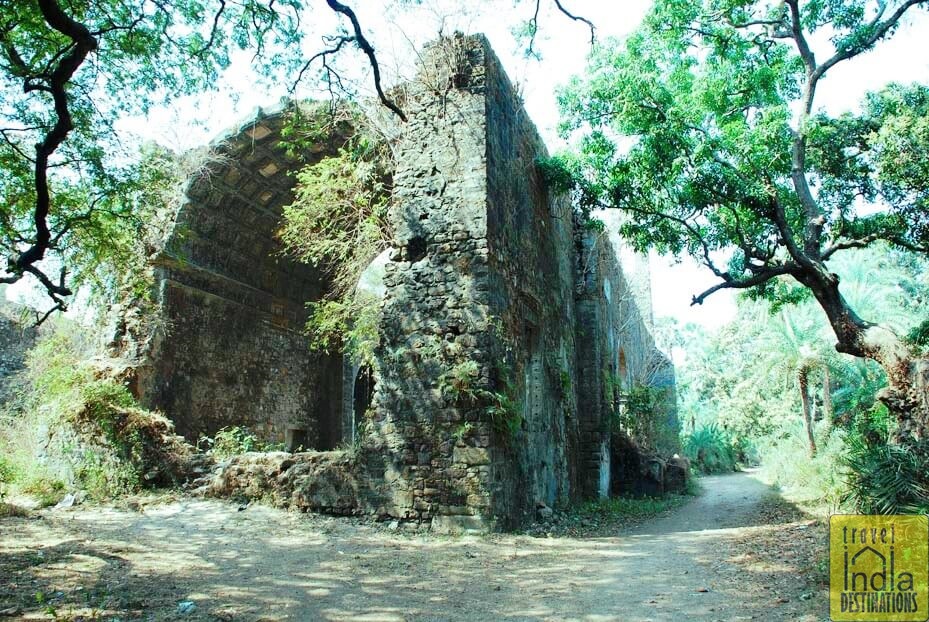
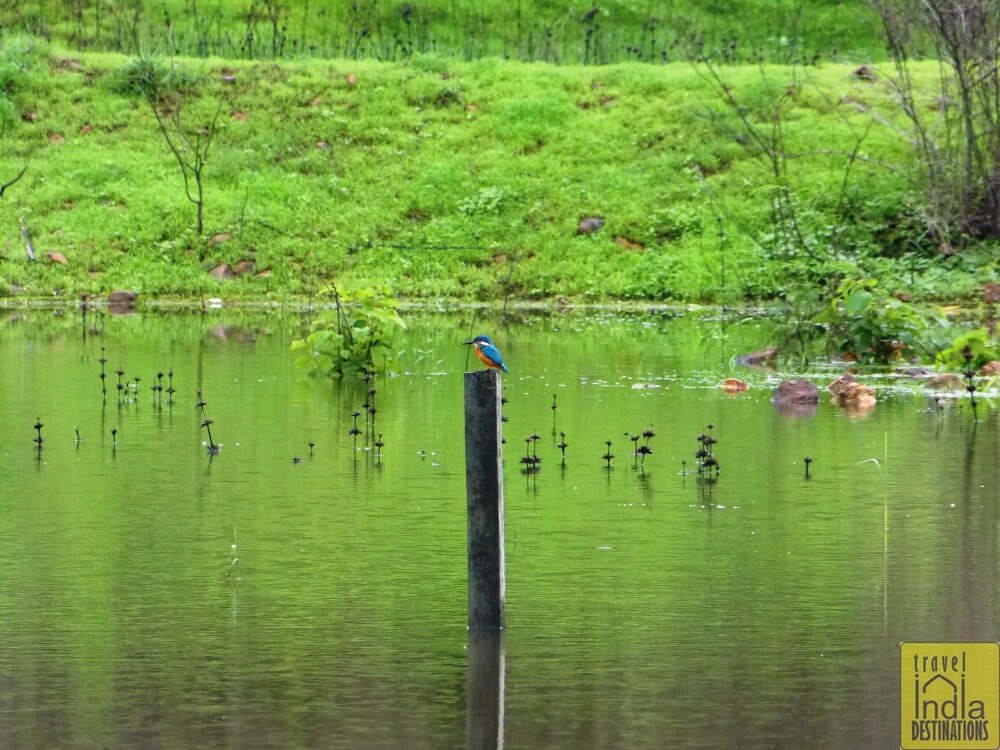
In my previous post, I wrote about the history of Vasai and how it has gradually become the Vasai as we know of today. So, in case you’ve missed that part, or if you are interested in the history of this place, I would recommend you read that before you proceed. However, if you are a nature lover Vasai is one place to visit especially during the monsoon season. Now, there are no special areas in Vasai-Virar region so I cannot recommend any particular places which you should visit. The region is quite vast and open and there’s a lot of greenery around which attracts the local and migratory aquatic Vasai birds to settle down here for some time before they continue their journey elsewhere.
tour
Most of my blog posts are usually about my travel experiences. However, recently I have not been traveling much mainly due to the amount of work I do. So, I and Sarah came up with the thought to write about Vasai history. Vasai is a little north of the Mumbai on the west coast. A few decades ago, Vasai was a sleepy town enjoying its own peaceful existence. Today it is one of the fastest growing towns in the suburban Mumbai.
Being born and brought up in Mumbai it is the best city for me in the world. I love this city so much. Hence, most of my blog posts are about Mumbai city tour and local attractions. As travellers, we have always been surprised by the wonders of nature and the landscape that I see around.
However, there are times when surprises come from the most unexpected situations. When we started this blog, our sole objective was to offer reliable information about various Indian destinations.
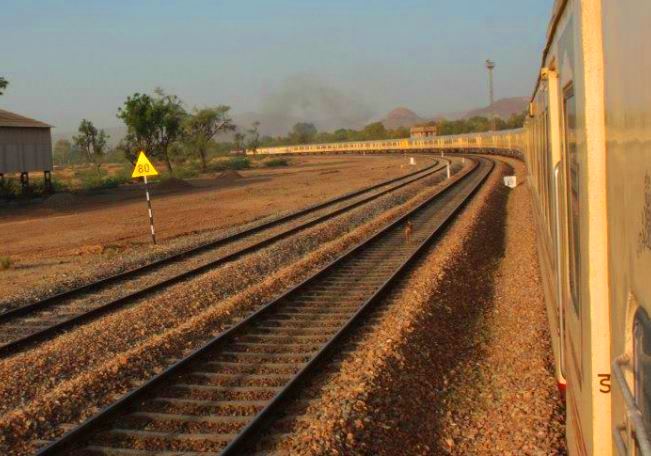
India – the land of diversity. A land of a billion people who belong to different religions and castes, follow different cultures and traditions, speak different languages and dialects, eat different types of cuisines and delicacies, but yet bonded together as one strong democratic nation that continues to march forward in the 21st century. My earlier posts were about how to travel conveniently by train in India, followed by top 5 heritage and luxury trains in India and last week I wrote on the mountain trains in India. This time, I am bringing forward some the assets of the railways that make the entire rail journey experience easy and convenient for local and international travelers.

Mountain Railway India
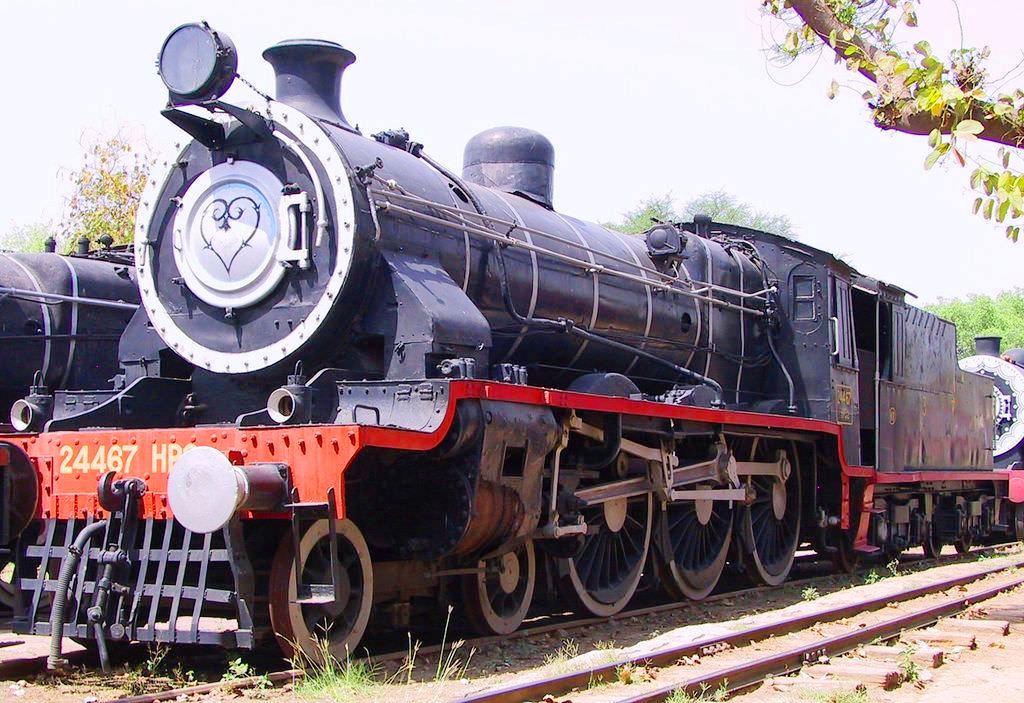
Indian Railways play a critical role in transporting Indian passengers across the country. While the majority of the train network is covered on the plains of Indian soil, there are certain rail networks that climb up the steep mountains of India. These train networks are designed to carry up and bring down passengers and goods with safety and comfort, so speed is not really a major factor here. This post is a part of the series on Indian Railways. In my previous post I talked about how to travel conveniently by train in India followed by top 5 heritage and luxury trains in India, but this time, we go up the hills and mountains and discover how these trains evolved in the first place.

Palace on Wheel Landscape
Whenever I think of travel, I think of railways. Although I travel by buses at times, I think of railways as my first mode of transport when I am commuting for work or just taking off for the day. Trains are an integral part of Indian travel and majority of the population prefer to travel by trains. This month I along with my blog friends are focusing on trains because on May 14 the United States celebrates National Train Day. While the idea was to write something about the trains on this particular day, I have decided to celebrate it throughout the month, every Saturday.
In my previous post on The Dabbawallahs of Mumbai, I’ve already mentioned about the fast lifestyle of the city. However, to keep that momentum going all the time, without a break you need something that works like clockwork. Yes, in this post we focus on the Mumbai suburban railway network that certainly is the lifeline of the city.
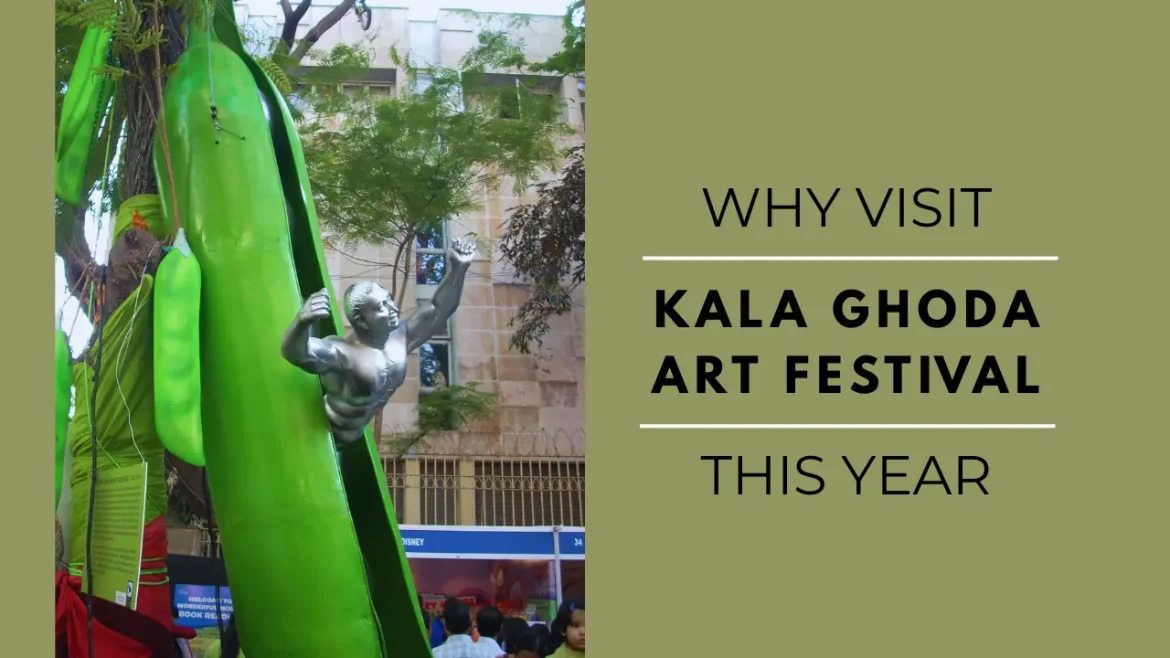
Some festivals rely on promotions, schedules, and reminders.
Kala Ghoda Arts Festival doesn’t.
For a few days around the turn of January and February, the city slows down just enough to celebrate art in the open. Locals wander in after work. Students show up in groups. Visitors stumble upon it and stay longer than planned.