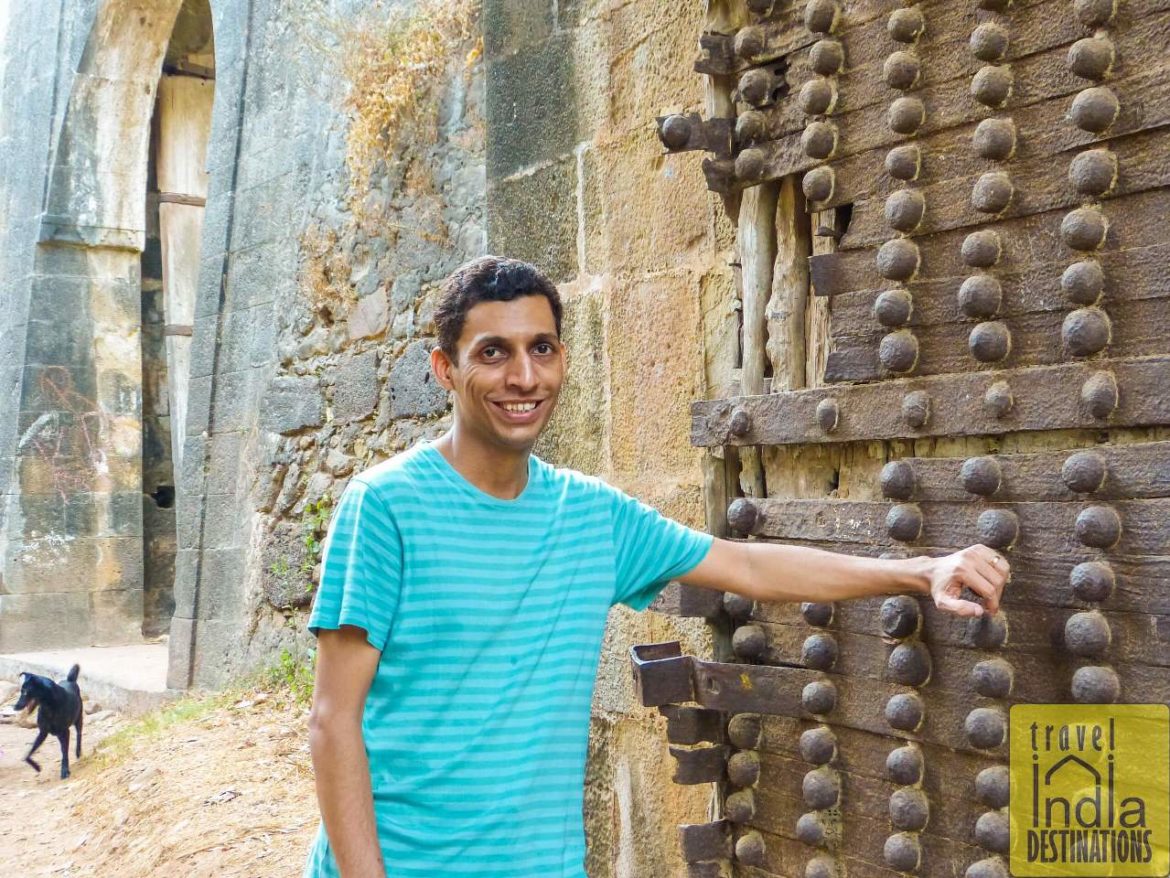
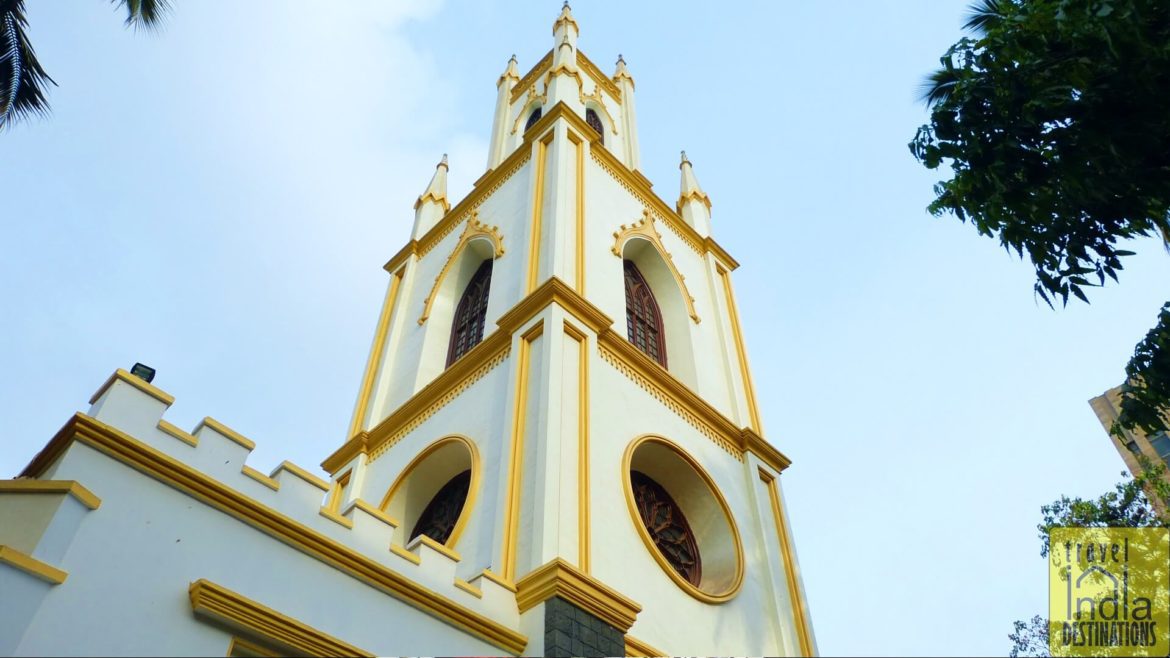
Tucked between Mumbai’s iconic Churchgate Station and Horniman Circle, Saint Thomas Cathedral church in Mumbai stands tall and speaks volumes about its history and grandeur. This church in Mumbai has a lot of history and has influenced the history of the city as well. As we pass through these simple wooden doors let me take you back in time and share its history.
tour
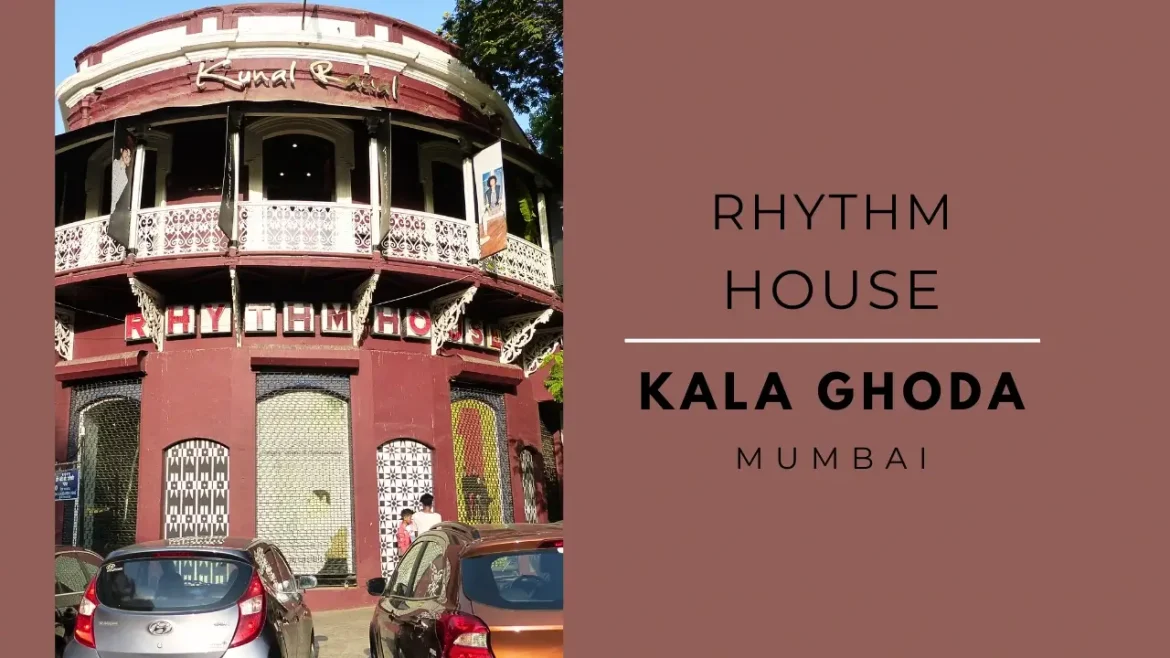
Standing proudly at the intersection of Forbes Street and K Dubash Marg, Rhythm House was more than a music store, it was the heartbeat of Mumbai. From its founding, a year after India’s independence, the store offered vinyl records, cassettes, and later CDs that transported generations of music lovers into worlds of sound far beyond the city streets.
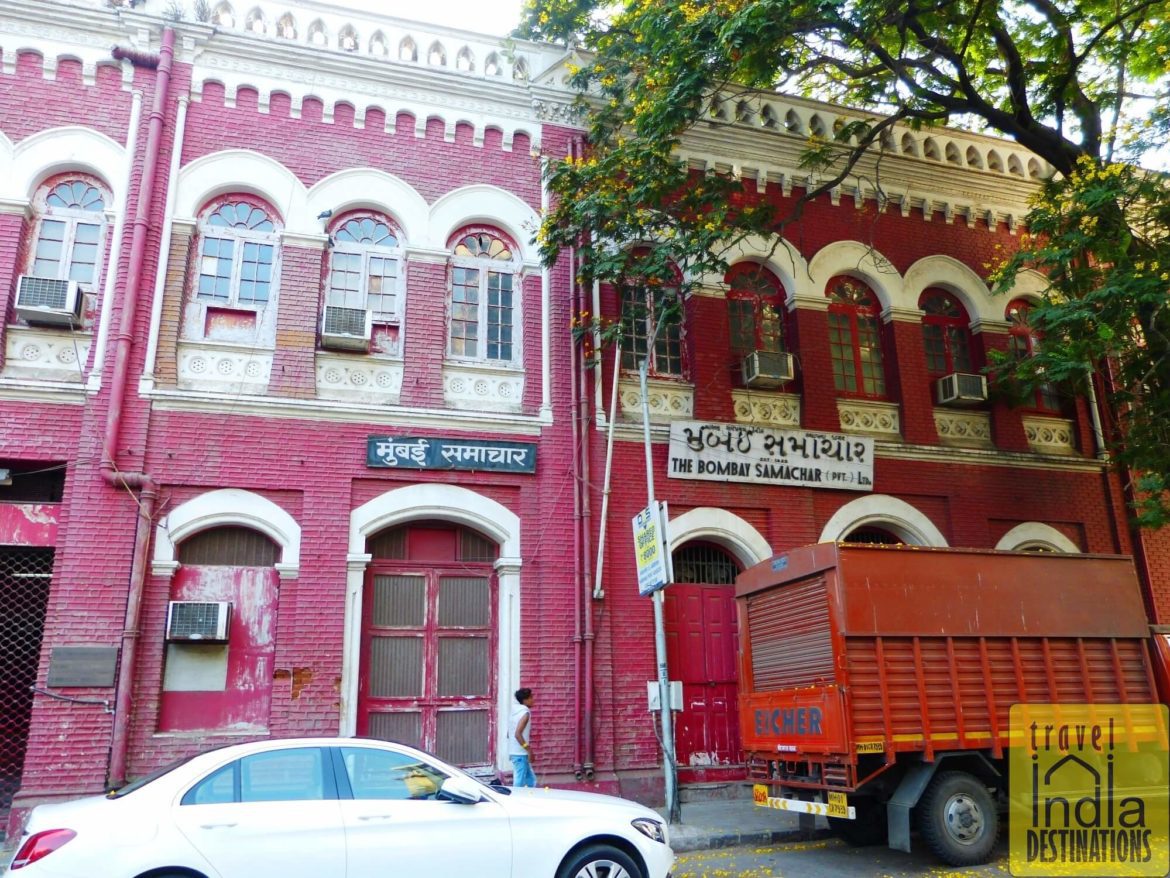
Mumbai Samachar: Thursday Doors
Tucked in the quiet corner of South Mumbai you will find plenty of heritage buildings that stand the test of time. Previously I covered my college, the Elphinstone College that is among the oldest colleges in Mumbai (then Bombay). This time let me take you on a short trip to visit one of the prominent newspapers in India: Mumbai Samachar.
Have you ever gone through this feeling of satisfaction? A feeling of doing something that has been on your list for years. Something that has been on your mind for long but you couldn’t because of various reasons. Well, if you do you know how I am feeling right now. Thursday Doors has been on my mind ever since I started reading No Facilities blog by my friend and mentor Dan Antion.
Most of the times travelling and planning go hand in hand. When we travel in India we do a lot of planning. This is because we want to make sure that we don’t have any issues later on. However, it is critical that you think of how you are going to make arrangements and get the best information when you travel with kids in India.
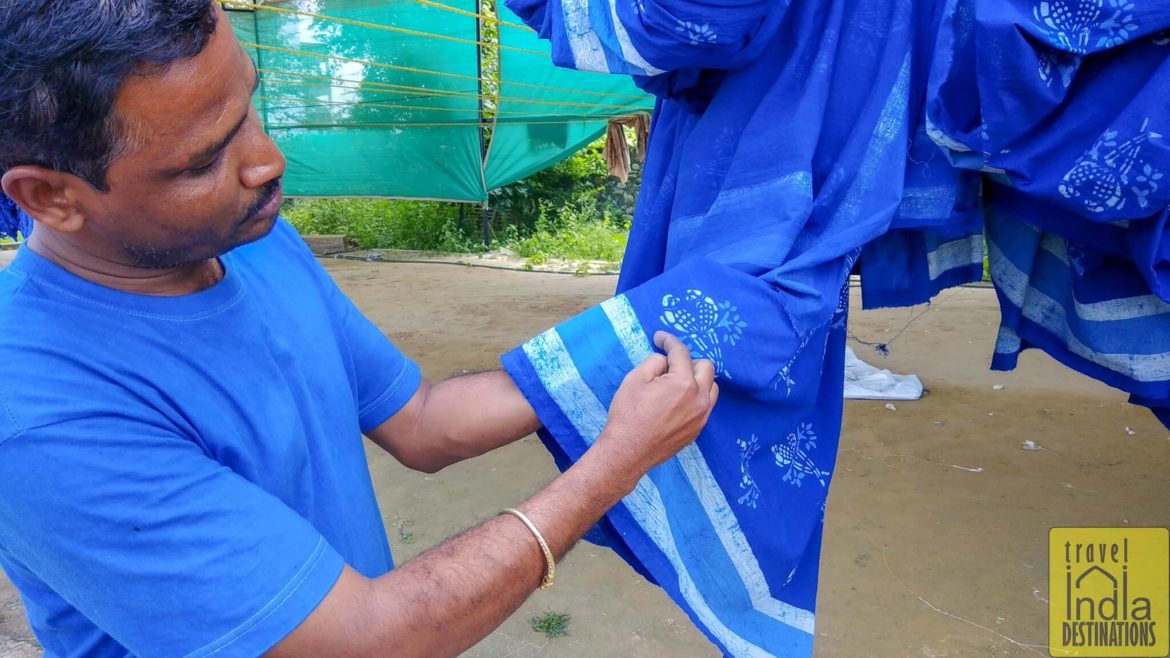
Daboo printing also known as Dabu printing is one of the traditional indigo dye printing techniques in India. While there are many printing techniques that have become popular globally, this one is certainly not one of them.
Consumers today love to wear new-age fabrics and designs that make them appear modern and urban. However, in this race of development and technological influences, we have somehow got disconnected from our roots. This post is all about the art of daboo print or dabu print that has managed to stay alive despite tough market competition.
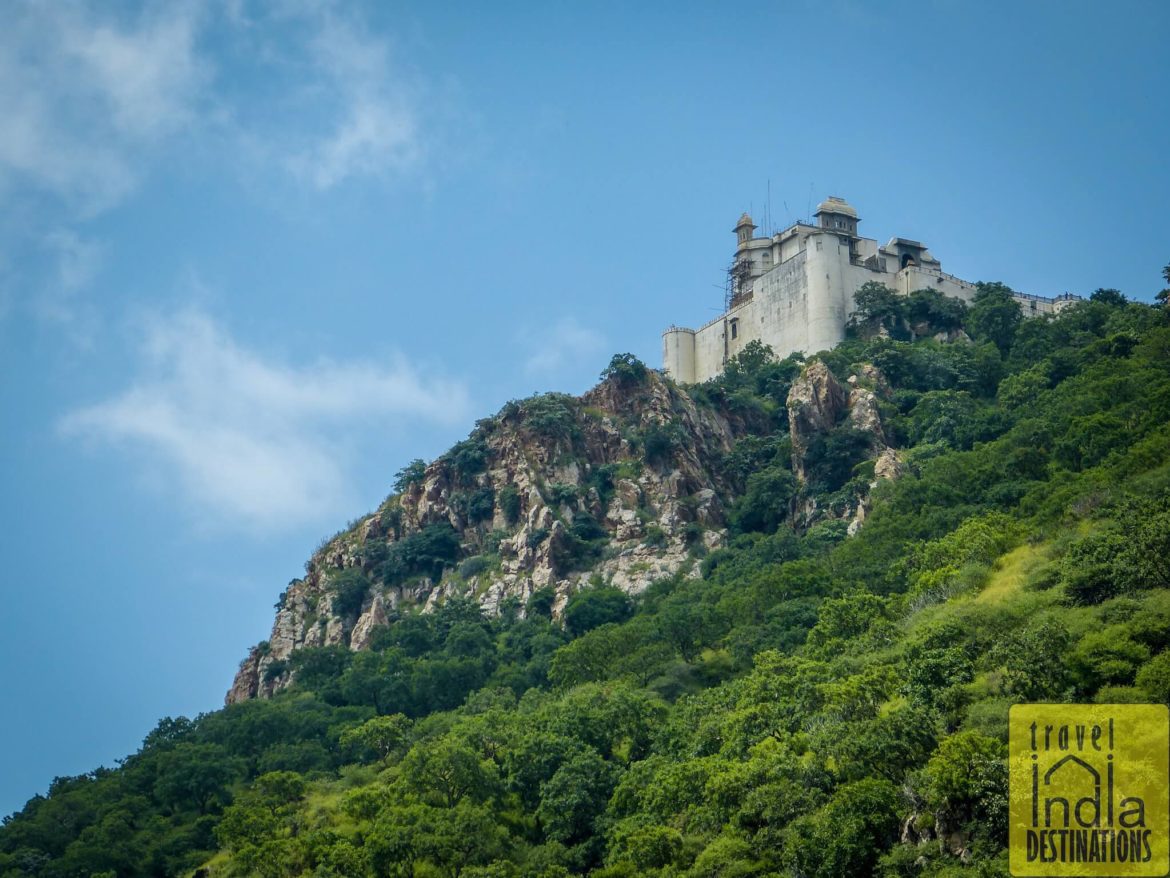
Sajjangarh Monsoon Palace Tour
If you are in Udaipur and if you are visiting Sajjangarh Biological Park you must also take some time out for the Sajjangarh Monsoon Palace. We would recommend that you take a day out for both these places as you can explore the park and the palace on the same day. However, you need to ensure that you are in complete control of how you spend your time here. After exploring the park we decided to head back to the same twin entrance gate to buy tickets for the Sajjangarh Monsoon Palace. However, this time we entered the right side gate.
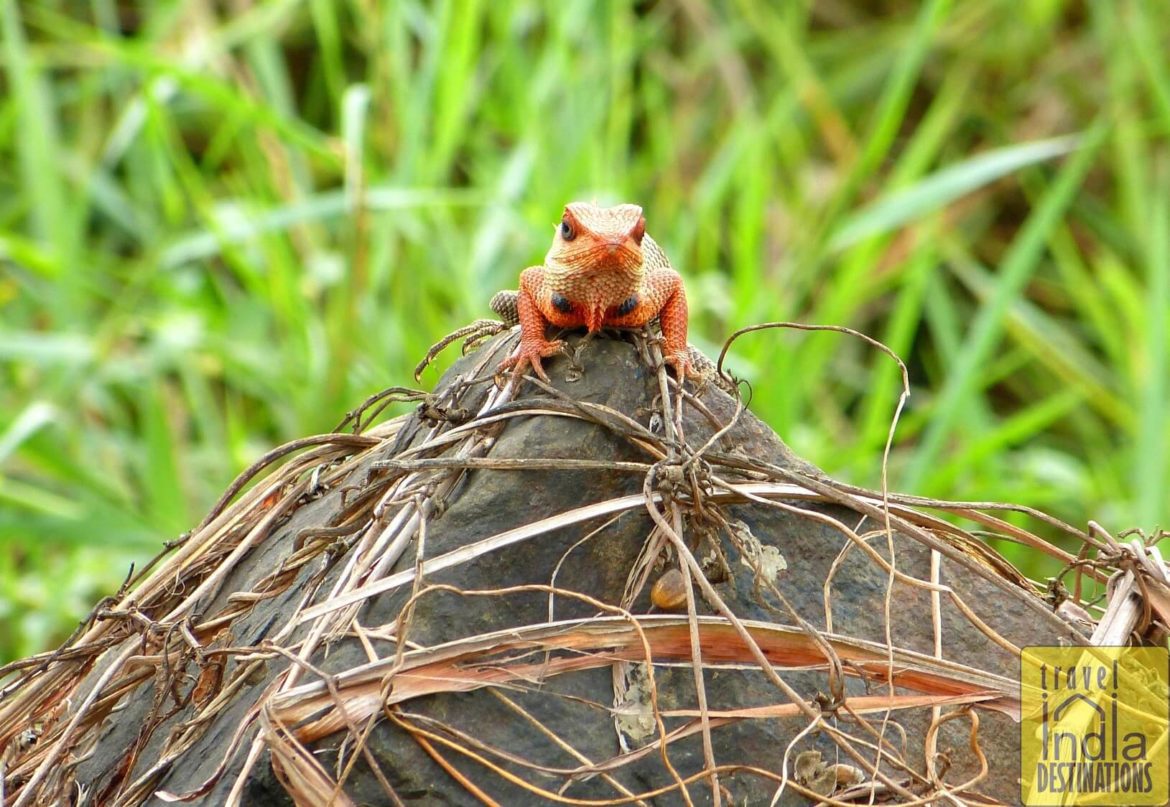
India experiences a hot and humid climate. However, by the first week of June, the Southwest Monsoon winds bring the Southwest Monsoon season. This is also known as the rainy season in India. The monsoon brings in moderate to heavy rains and strong surface winds. This drops the temperature significantly and changes the landscape completely. In the next few weeks, the dry parched brown landscape turns into a lush green space. This is the time when the monsoon creatures in India appear all over the places.
For many Indians, these creatures are not new or maybe new because most of us haven’t paid enough attention. During the dry summer season, these creatures are almost invisible but they appear after a few spells of rain. These monsoon creatures in India are shy, tiny and they blend into their surroundings with ease. Hence, you need the patience to wait silently as they continue with their activities. It is always advisable to explore nature in monsoon to get the best experience.
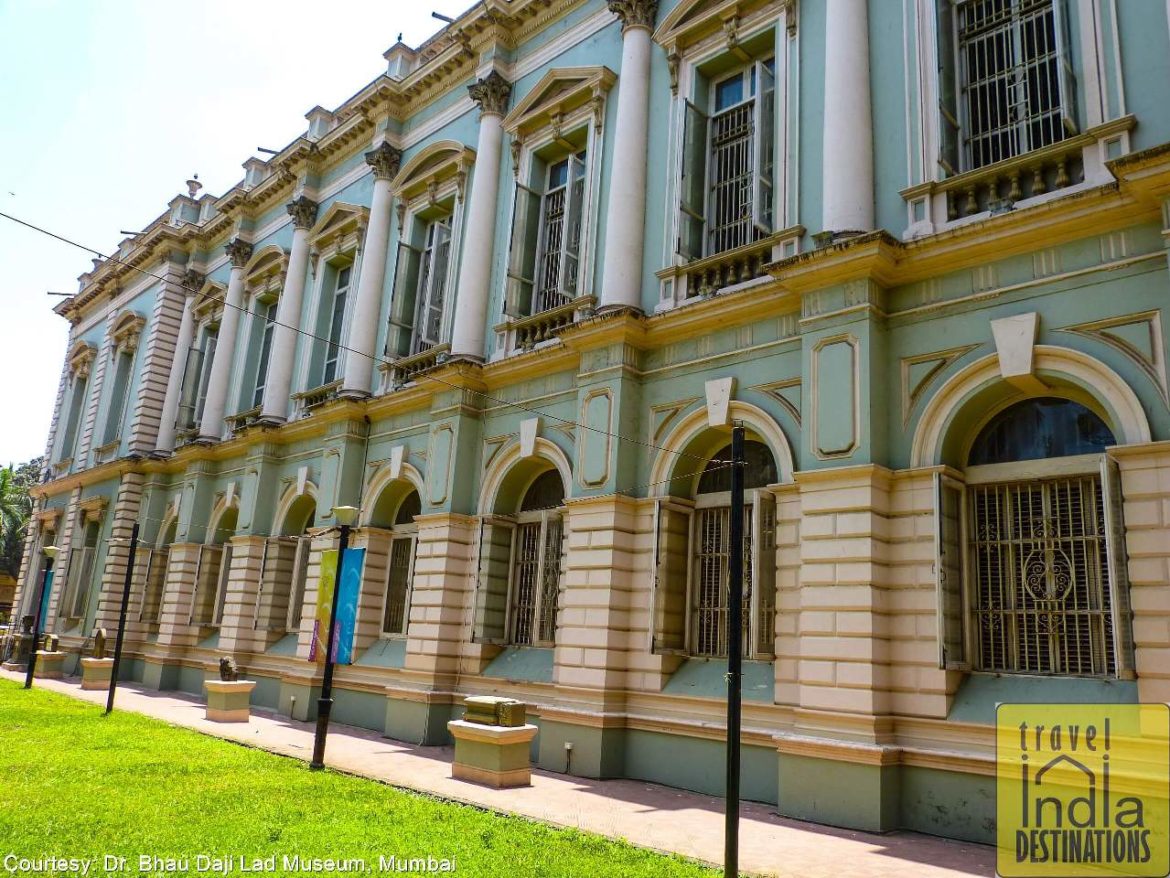
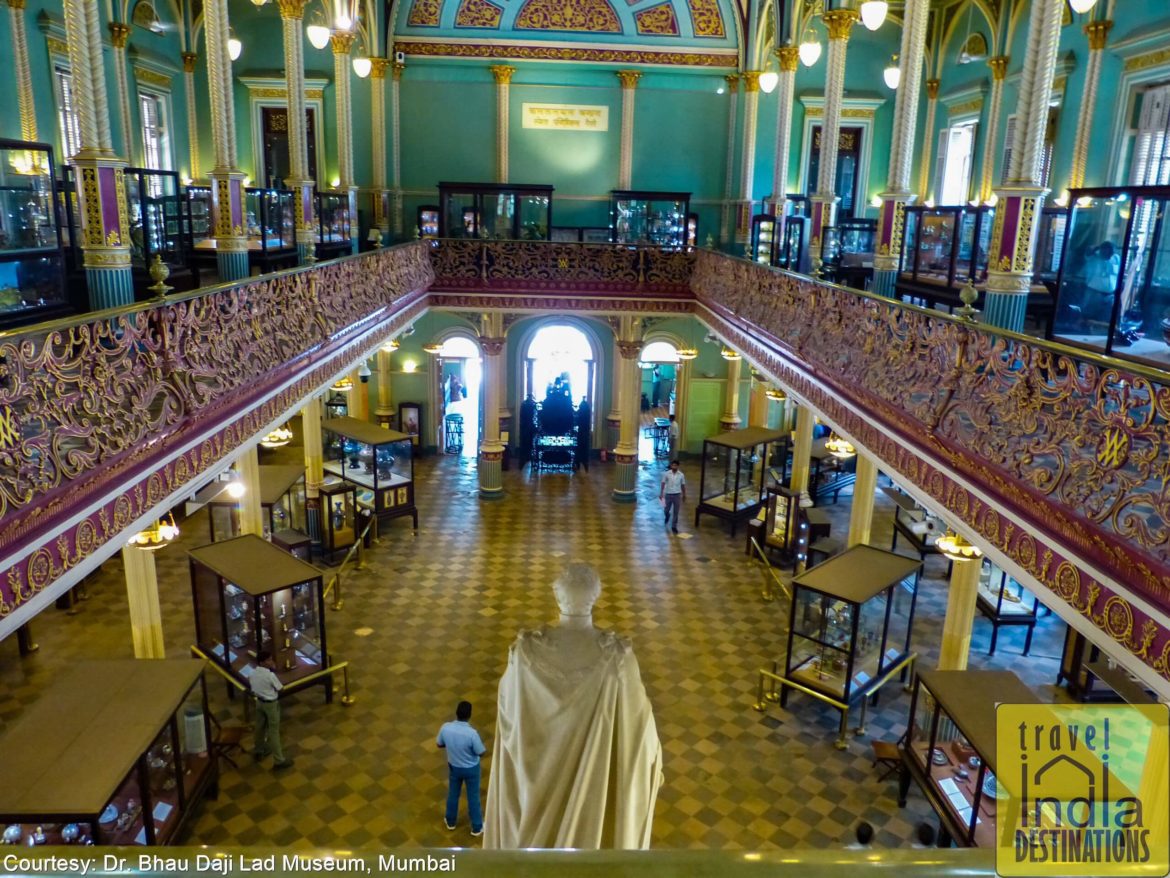
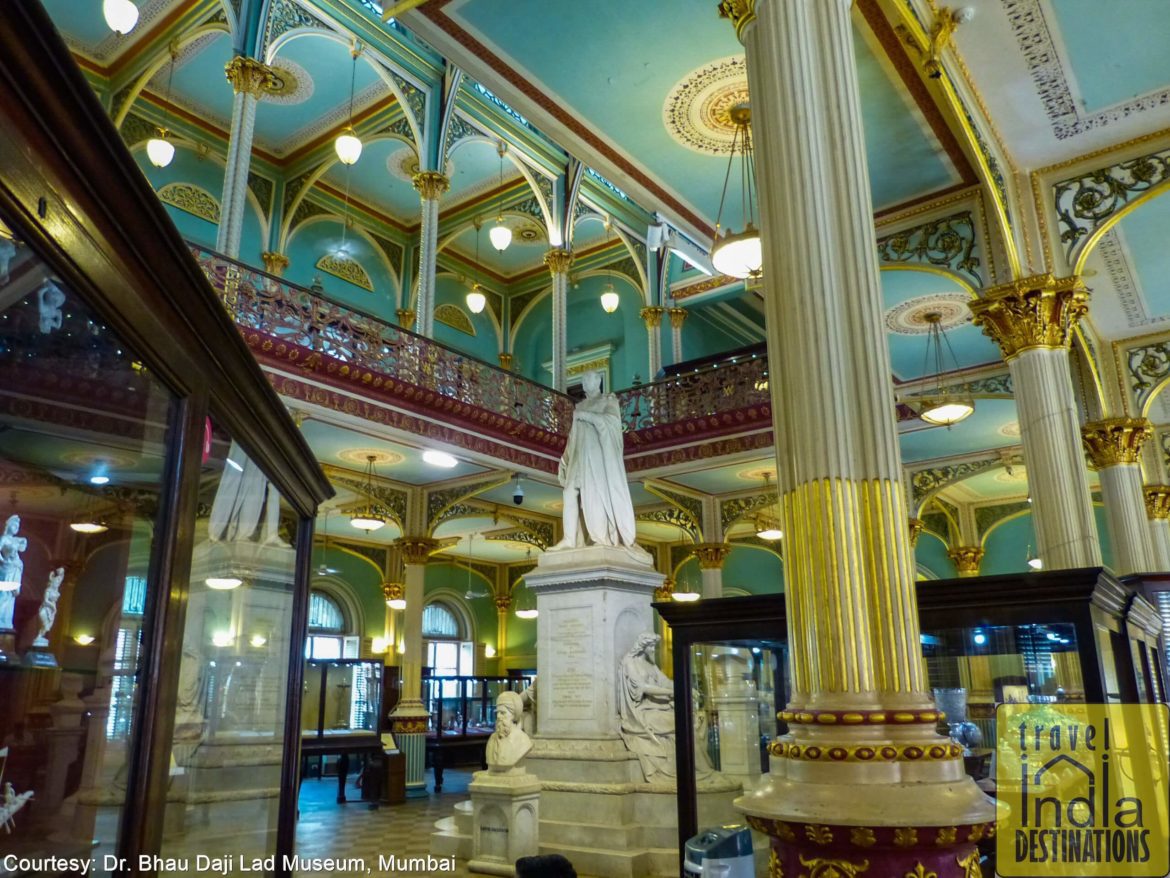
Museums have always attracted me since my college days. I love to explore and read and check out the objects and paintings that are on display. Dr Bhau Daji Lad Museum surprised me with its classy interiors and the number of objects they have on display.
In terms of size, the Prince of Wales Museum is definitely larger, but Dr Bhau Daji Lad Museum is no less. The moment you enter the museum the interior décor of the museum captures your attention. The long hall of the museum makes it look grand right away.
Museums are the windows into the history. It might sound like a boring quiet place where all you see is artefacts from the earlier times. However, when you look closely each one has its story and importance. Dr Bhau Daji Lad Museum is not a huge museum when you look at the building, but it stores around 3,500 objects revolving around Mumbai’s history. The museum has photographs, books, textiles, maps, lacquer ware, manuscripts, and weaponry and exquisite pottery which engulfs you into its beauty and craftsmanship. In the first part of this three-part series, we read about the history of Dr Bhau Daji Lad Museum, once known as the Victoria and Albert Museum. In this part, we focus on its revival and the renaming of the museum to its current name.
Mumbai, once known as Bombay is the city of contrasts. It is home to the billionaires of India and also to some of the poorest who live on the streets. Here you will find people working for hours to make their ends meet. In addition, you’ll find people just sitting idle watching the crowd pass by. Mumbai provides a view of the modern India but still retains its history. In this three-part series, we explore the history of Mumbai. Before I proceed, I would like to thank the museum officials for their quick email note. In addition, for allowing me to take pictures and for providing me guided tour and sharing information. All images are courtesy of Dr Bhau Daji Lad Museum and clicked without using any camera flash.
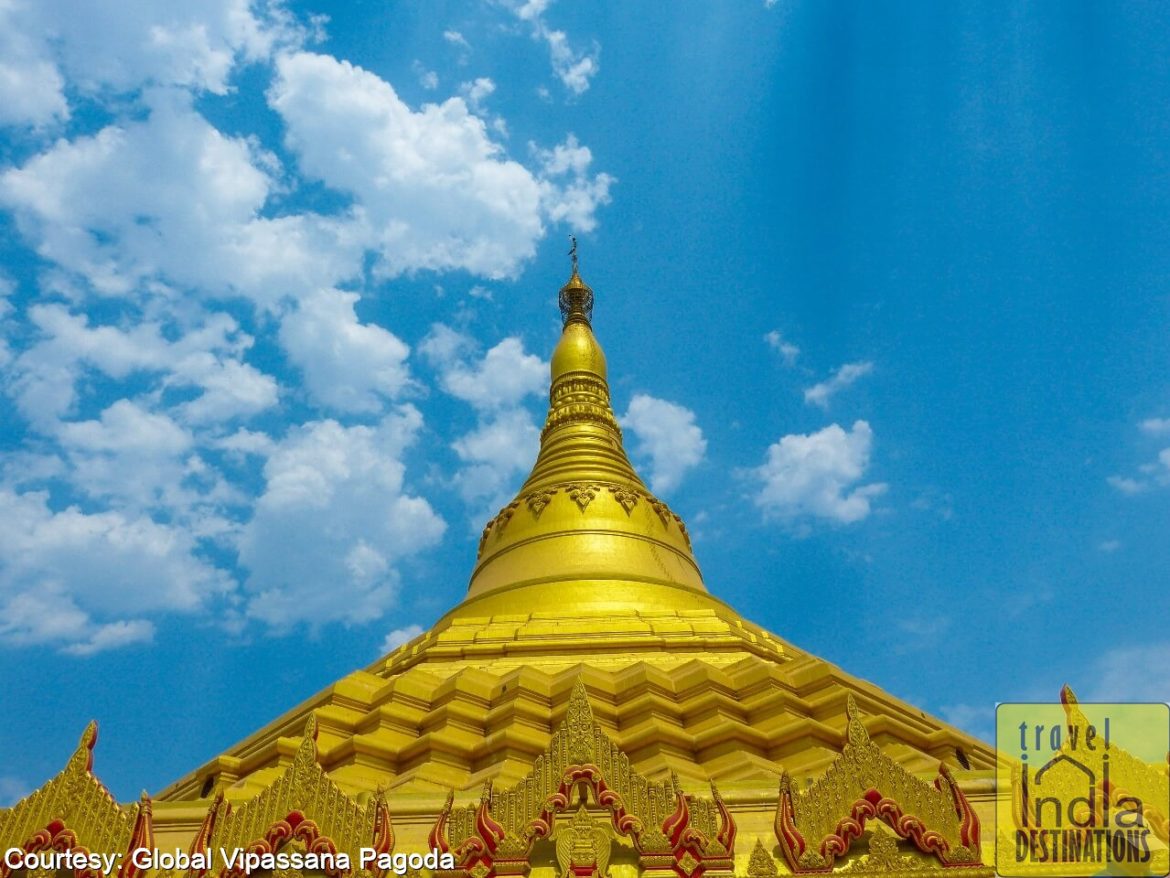
Have you ever felt this feeling that some places call you subconsciously? I mean like the moment you heard about it or seen it in pictures you get this feeling that you have to visit this place. Well, a few weeks ago, I was working on a blog post of Vasai Fort, which is now already on the site. However, when I was clicking pictures I was attracted by this towering golden structure which is visible from the Vasai Fort (at least if you have a good zoom capability camera). So, when I and Sarah were home we decided to visit this place and see if we can experience it in person. We researched on it and got in touch with the concerned authorities to help us write more on the place.
Are you looking for a fort near Mumbai for a weekend trip or one day picnic? History might seem like a boring subject, but not if you know how to share and explore it. Believe it or not, I was never a history person in my school life. I hated history books because it was all about learning dates and events, it was never engaging enough. However, as I grew up I realised that history is a fascinating subject of all because you not only get to know about the past events but also get to learn from it.
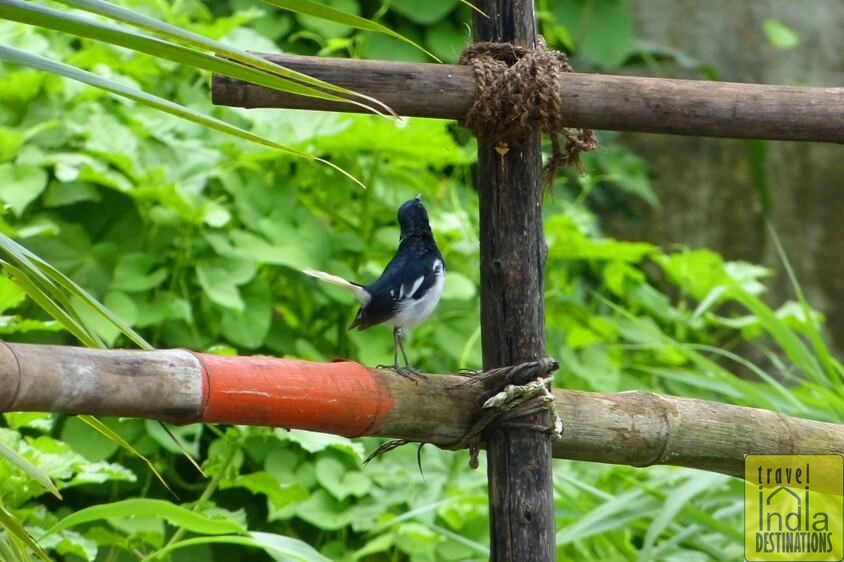
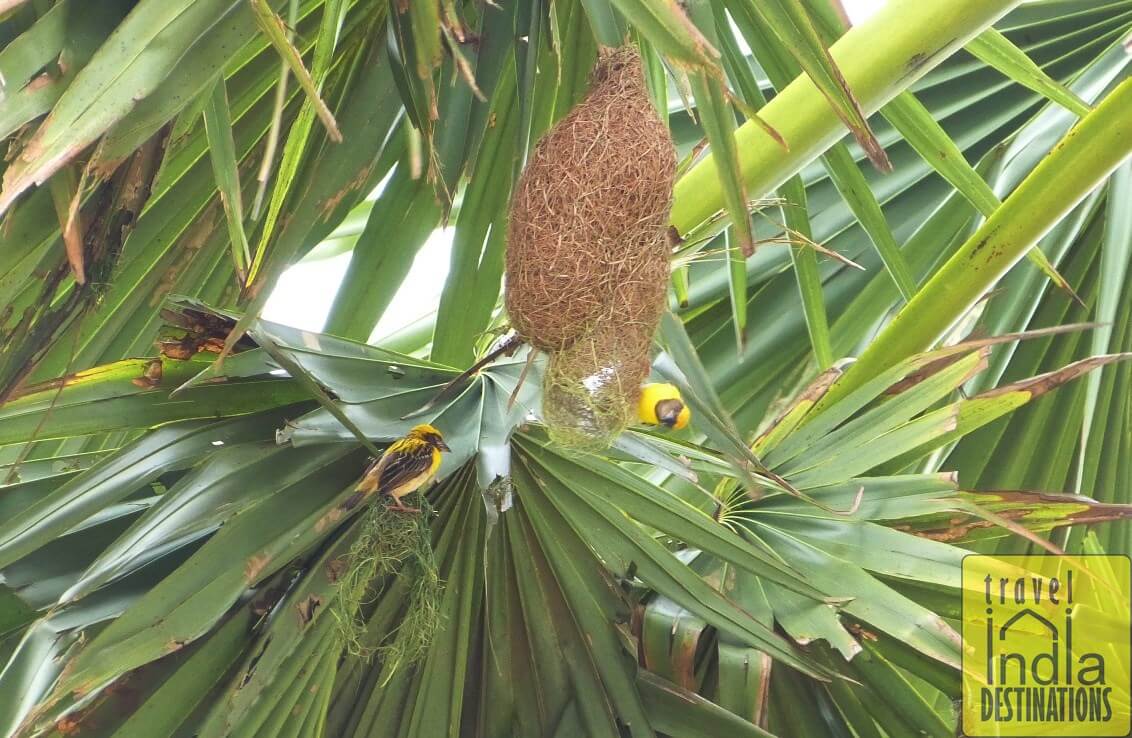
In the final part of the birds in Vasai-Virar series, I will be focusing on the garden birds in Vasai-Virar. Most of these birds are found in Vasai-Virar region throughout the year. However, that does not mean that these birds are easy to photograph. While some birds are always close to human civilization some birds still prefer to be left alone and they take some time to be discovered. If you have not read the previous part of the series you can read more about Vasai aquatic birds here and Vasai forest and grassland birds here.
In the previous post, I mentioned about the aquatic birds in Vasai. These migratory birds are usually in Vasai during the monsoon period from July to September when small lakes and ponds appear all over the places offering better conditions for these birds to settle and breed and then move ahead. In this post, we move on to the forest and grassland Vasai birds and many of these resident Vasai birds are here throughout the year because they are not dependent only on fish for their food.